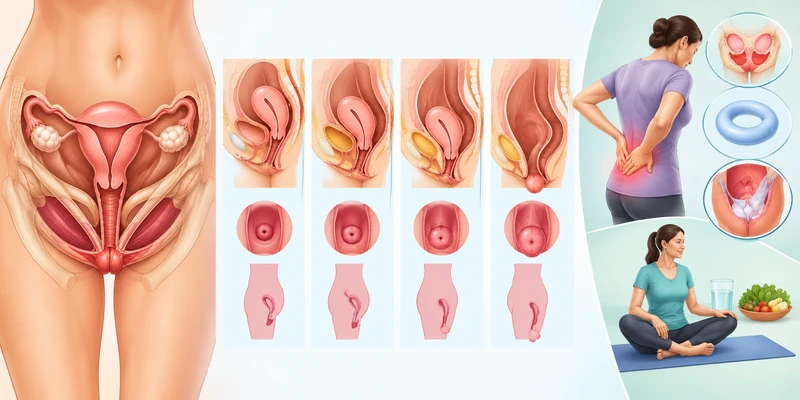
Infertility is an increasing issue among couples across the world, with estimates indicating that the prevalence is between 10 and 15 percent among couples of reproductive age. It may be an emotionally and physically arduous process. Yet, knowledge of the causes, diagnostic measures and treatments involved can enable couples to take control over their reproductive health. Visiting the finest gynaecologist in Marathahalli is a sure way of receiving medical advice and personal attention during this process.
Understanding Infertility
Infertility is a medical term that means failure to conceive following one year of regular unprotected intercourse. In women who are older than 35, this can be reduced to six months since their fertility would have decreased with age. Some of the factors that can lead to infertility have to do with either partner; in other instances, there may be no apparent cause, and in such cases, it is termed unexplained.
Although infertility may be painful, one should keep in mind that contemporary medicine offers numerous therapies, and the sooner the problem is addressed, the better.
Infertility: Common Causes
The causes of infertility may be female, male, or both.
Female Factors
Ovulatory Disorders: Different disorders, such as Polycystic Ovary Syndrome (PCOS) or thyroid disorders, may interrupt ovulation, making it impossible to release viable eggs.
Fallopian Tube Blockage: The inability of the sperm to reach the egg can be due to tubal obstruction, which could be due to infections, surgeries, or endometriosis.
Endometriosis: Endometrial tissue growing outside the uterus can interfere with the activity of the ovaries, fallopian tubes, and the uterus, and can influence fertility.
Uterine Abnormalities: Fibroids, polyps, or a bulky uterus have the potential to disrupt implantation and embryo development.
Male Factors
Sperm Quantity and Quality: Fertilization can be hampered by low sperm count, poor motility, or abnormal morphology.
Medical Conditions: Sperm production may be impacted by hormonal imbalance, varicocele, infections, or genetic disorders.
Unexplained Infertility: In some instances, an exact cause is not found despite a careful examination. This accounts for 15-30% of infertility cases and reflects the complexity of reproductive health.
Diagnostic Process: Infertility management requires a systematic and detailed diagnostic process.
Medical History Review
Both partners are assessed for lifestyle issues, medical history, menstrual cycles, sexual history, and past pregnancies.
Physical Examination: Examination of the reproductive system in women and assessment of the genitals and hormonal status in men.
Hormonal Tests: Blood tests evaluate the ovarian reserve, the thyroid, and other hormone parameters that are vital in conception.
Imaging Studies: The structural abnormalities in the uterus and the fallopian tubes can be detected using ultrasounds, hysterosalpingography, and MRI.
Semen Analysis: Male factor infertility is diagnosed with a thorough analysis of sperm count, motility, and morphology.
Advanced Testing: Genetic testing, laparoscopy, or endometrial biopsy may be advised in some instances to reveal less prevalent causes of infertility.
Therapies for infertility
The treatment depends on the cause of the problem, age, the duration of infertility, and personal preferences.
Lifestyle Modifications
Fertility can be enhanced through nutrition, exercise, weight control, and reducing stress. Necessary lifestyle interventions include reducing alcohol consumption, quitting smoking, and avoiding chemicals that disrupt the endocrine system.
Medications
- Ovulation Induction: Clomiphene Citrate and Letrozole are medications used to enhance the ovulatory response of women with ovulatory problems.
- Hormonal Therapy: Hormone medications (such as thyroid medication or progesterone) treat specific imbalances affecting fertility.
Intrauterine Insemination (IUI)
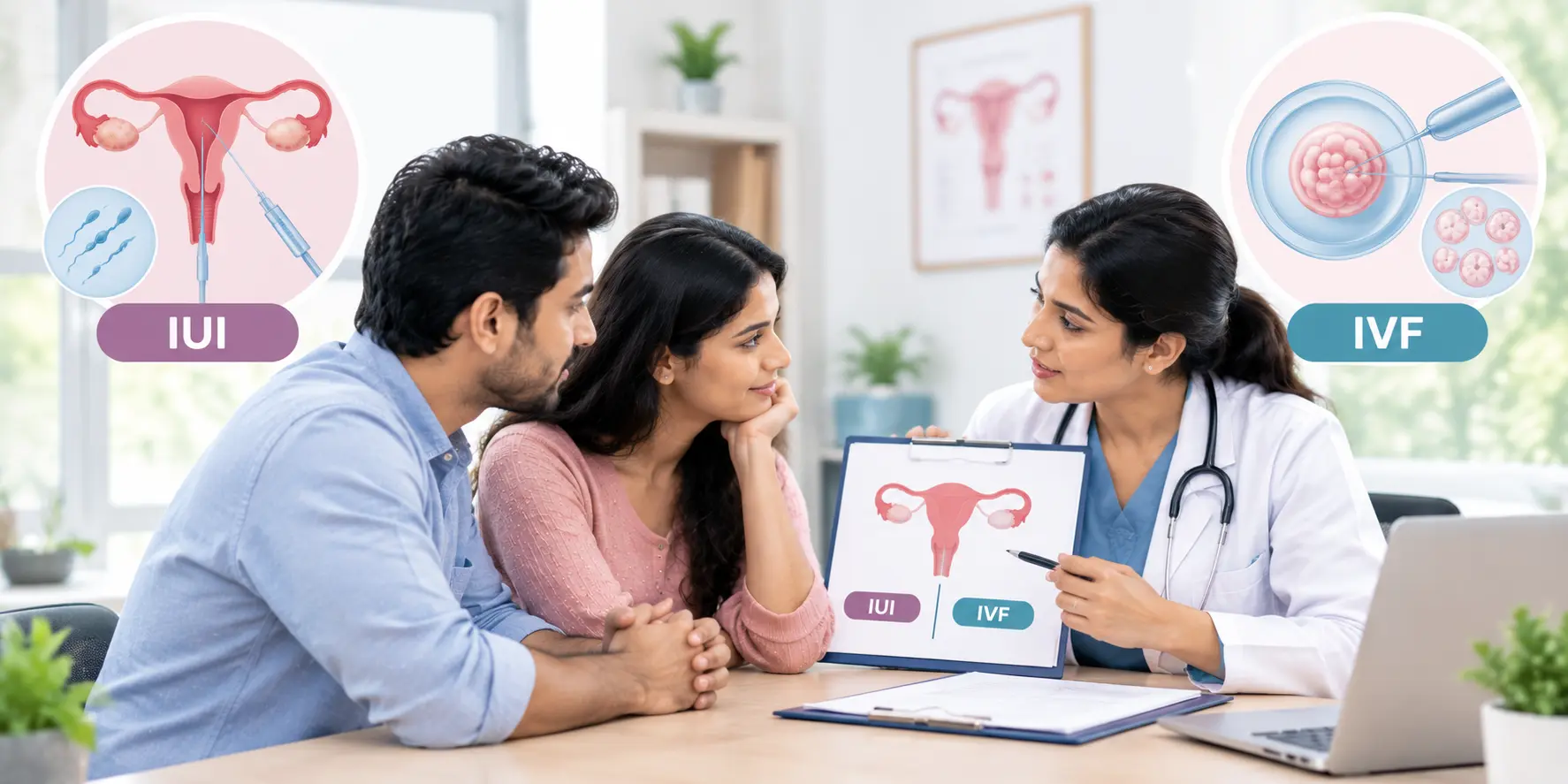
IUI is a procedure in which sperm is placed directly into the uterus during ovulation, which improves the likelihood of fertilization. It is usually applied to mild male factor infertility or unexplained infertility.
In Vitro Fertilization (IVF)
IVF is a popular assisted reproductive technology (ART) that involves the combination of eggs and sperm in a laboratory, followed by the transfer of the embryo into the uterus. IVF is appropriate in cases of severe male or female factor infertility, tubal obstructions, endometriosis, or unsuccessful IUI treatments.
Advanced ART Options
Intracytoplasmic Sperm Injection (ICSI) and Preimplantation Genetic Testing (PGT) are procedures that are used to overcome specific fertility issues, such as low-quality sperm and hereditary problems.
Surgical Interventions
Structural defects like fibroids, polyps, obstructed fallopian tubes, or lesions of endometriosis may require surgery to enhance the chances of fertility.
Emotional and Psychological Support
Emotional stress, anxiety, and depression usually accompany infertility. The supportive measures are:
- Counseling and Therapy: Individual or couple counseling can be used to cope with stress and stay emotionally stable.
- Support Groups: Interacting with people who are going through the same struggles gives hope and removes the feeling of being alone.
- Mind-Body Practices: Yoga, meditation, and relaxation methods have the potential to decrease stress and improve fertility outcomes.
Suggest to Read :- Chemicals That Affect Fertility: What You Should Know
Conclusion
Although it can be a difficult situation, infertility can be dealt with using the appropriate approach. Awareness of the causes, comprehensive diagnostic assessment, and the availability of individualised treatment may considerably improve fertility rates.
Through the consultation of the most qualified gynaecologist in Marathahalli, couples will receive professional care, the newest diagnostic equipment, and customized treatment strategies that take into consideration both male and female factors. With professional guidance, emotional support, and active intervention, infertility need not define your journey to parenthood.

Dr. Archana Agarwal
This article is for general information only and is not a substitute for professional medical advice. Please consult a doctor about your specific situation.