
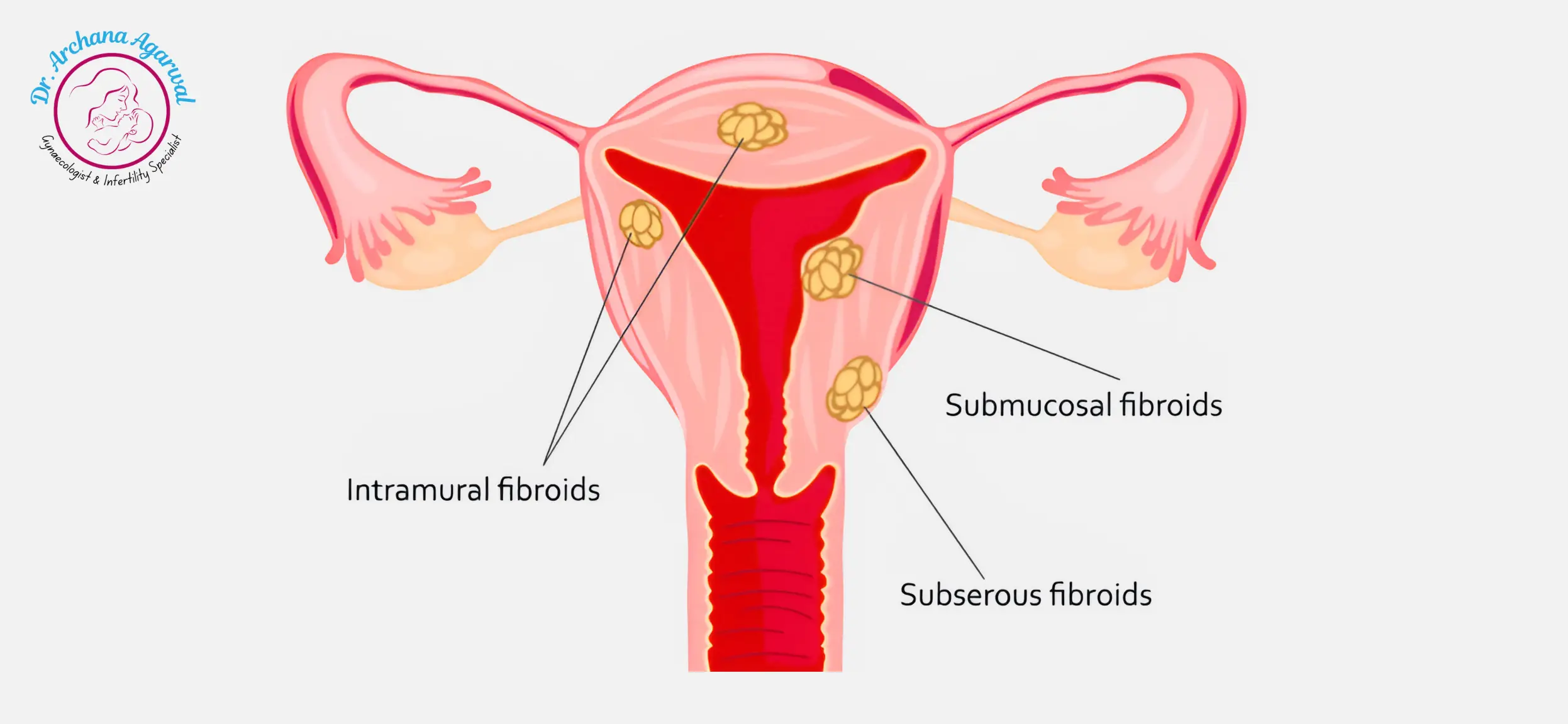
Dr. Archana Agarwal provides the best fibroid treatment in Bangalore for patients seeking better health. Uterine leiomyomas or fibroids represent benign tissue growths which originate from uterine muscle cells and form inside or near the uterus. The majority of women will develop fibroids at some point, yet these growths do not necessarily produce noticeable symptoms. Individuals who struggle with fibroid-related discomfort, extended menstrual cycles or infertility problems can benefit from medical treatments that deliver effective results.
Dr. Archana Agarwal, the leading uterine fibroids surgeon in Bangalore, delivers extensive women's health expertise through a holistic approach that treats both physical fibroid symptoms and emotional and personal patient needs. Dr. Agarwal adopts a patient-focused strategy which evaluates each person's symptoms together with their lifestyle choices and treatment preferences throughout the entire process.
Understanding Uterine Fibroids
The uterus develops non-cancerous fibroids which grow inside or near its structure. Many women within their childbearing years develop fibroids, yet numerous individuals fail to comprehend the wide range of sizes and numbers these growths can achieve. The size of fibroids ranges from seed-sized to growths that alter the shape of the uterus.
Fibroids normally do not cause harm, but they can present major health issues that require attention. The presence of fibroids in women results in heavy menstrual bleeding, painful cramps, frequent urination and fertility issues. Professional evaluation becomes necessary to manage fibroids because they can lead to severe quality-of-life deterioration.
Common Symptoms and Risk Factors
Symptoms
- Heavy or Prolonged Menstrual Bleeding: Heavy or Prolonged Menstrual Bleeding is a common symptom that many patients experience through excessive bleeding or prolonged periods lasting beyond seven days.
- Pelvic Pressure or Pain: The expansion of fibroids creates pressure on nearby organs that results in pelvic discomfort together with a feeling of fullness.
- Frequent Urination: The pressure from an enlarged uterus on the bladder leads to an increased need to urinate.
- Reproductive Issues: The presence of fibroids sometimes causes women to experience problems with conception and leads to pregnancy complications.
Risk Factors
- Hormonal Influence: The growth of fibroids depends on the hormonal influence of estrogen and progesterone.
- Family History: When a person has a family member with fibroids, their personal risk of developing them becomes higher.
- Age and Race: The age group between 30 and 40 years shows the highest rate of fibroid development among women. Medical research indicates that African American women develop fibroids at higher rates than other ethnic groups.
- Lifestyle Considerations: The combination of obesity, stress and a diet rich in red meat tends to increase the possibility of developing fibroids.
Early detection of these risk factors together with symptoms enables patients to receive prompt diagnosis and suitable treatment.
Meet Dr. Archana Agarwal
Dr. Archana Agarwal is the best doctor for fibroid treatment in Marathahalli- Bangalore. She works as a board-certified gynecologist and compassionate healthcare provider who dedicates her professional career to advancing women’s health. She provides complete gynecological care from adolescence through menopause by offering services that include the diagnosis and treatment of uterine fibroids. Dr. Agarwal delivers patient-focused care by dedicating time to learn about her patients' obstacles and medical background while designing treatment plans that match their wellness objectives.
Why choose Dr. Archana?
Expertise in Fibroid Management: Dr. Archana's extensive experience in fibroid diagnosis and treatment allows her to select the most suitable treatment options.
Holistic Care: Dr. Archana adopts a complete healthcare strategy that integrates medication with minimally invasive surgery and lifestyle adjustments to achieve the best possible outcomes.
Personalized Guidance: Dr. Archana shows understanding for the medical treatment-related anxiety that patients experience. She keeps all lines of communication open while giving detailed explanations and showing compassionate support throughout the entire process.
Diagnosis and Treatment Options
Diagnosis
The diagnostic evaluation includes physical examinations together with ultrasound testing as well as magnetic resonance imaging (MRI) when required. The diagnostic instruments reveal the existence of fibroids, their dimensions and their specific positions in the body. Dr. Archana, the best doctor for fibroid treatment in Marathahalli- Bangalore, evaluates all findings to decide if your fibroids require medical intervention or if you need standard monitoring procedures.
Medical Management
Smaller fibroids and those causing mild symptoms can frequently be treated effectively through medication as a first treatment approach. Hormonal therapies control estrogen and progesterone production, thus preventing fibroid growth and reducing symptoms including heavy periods.
Non-hormonal medications and supplements exist to treat specific health issues which result from prolonged heavy bleeding. During your evaluation, Dr. Archana will assess your health condition before discussing medication risks and selecting appropriate treatments for you.
Minimally Invasive Procedures
Minimally invasive procedures help patients recover more quickly and experience less pain in comparison to standard surgical operations when fibroids become a major life disruptor. Two common options include:
- Uterine Fibroid Embolization (UFE): This is an interventional radiology technique that stops the fibroid blood supply, thus leading to their reduction in size.
- Hysteroscopic Myomectomy: The procedure of Hysteroscopic Myomectomy uses a small camera which enters through the cervix to remove uterine cavity fibroids without requiring abdominal incisions.
The procedures effectively treat the origin of the problem while protecting reproductive capabilities and reducing recovery time.
Surgical Interventions
When fibroids become large or multiple in number, surgery stands as the most appropriate treatment option. The surgical procedure myomectomy removes fibroids from the uterus without removing the organ, which benefits women who want to preserve their ability to have children. A hysterectomy becomes the recommended treatment option when other medical approaches fail to work or when they are not suitable for the patient. Dr. Archana meets with each patient to examine all treatment possibilities before assisting them in making a decision that matches their medical requirements with their individual preferences.
Recovery and Post-Treatment Care
The duration of recovery depends on which treatment method a patient selects. The continuation of daily routines remains possible for patients who use medication-based treatments without significant interruptions. Patients need several weeks to achieve complete recovery from surgical procedures that include myomectomy. Your doctor will provide specific guidance that typically includes these steps during this recovery period.
The treatment requires patients to take all prescribed medications to manage pain and prevent infections.
- Taking Prescribed Medication: Taking rest periods and performing gentle exercises such as walking helps maintain blood flow and prevents additional medical issues.
- Rest and Mild Exercise: Check for any unexpected pain, bleeding or fever, and seek medical attention immediately if these signs appear.
- Lifestyle Adjustments: Maintain a balanced diet, manage stress and, if necessary, take weight control measures.
Dr. Agarwal and her team will check your recovery progress while offering guidance to help you achieve a smooth healing process.
Last Words
Dr. Archana Agarwal, the leading uterine fibroid specialist, dedicates herself to understanding your individual needs and providing excellent women's health care. People recognize Dr. Archana Agarwal as the top uterine fibroid specialist who works to provide her patients with accessible and comfortable advanced fibroid therapy. The medical staff provides personalized care through medication, minimally invasive procedures and surgical interventions that best fit your medical needs.
Frequently asked questions
Fibroids are generally benign, but severe bleeding or unexpected growth needs emergency medical care.
Fibroids tend to decrease in size naturally when a woman enters menopause. Medical intervention becomes necessary for treating significant fibroid symptoms.
Women with fibroids can typically get pregnant on their own, yet fibroids positioned in certain locations or those of significant size may cause difficulties during conception and pregnancy. The evaluation of an expert specialist remains essential for diagnosis.
The use of certain medications leads to temporary menopause symptoms that include hot flashes and mood variations. Your doctor will explain the possible side effects together with methods to handle them.
The removal of fibroids through myomectomy does not prevent the future growth of new fibroids. Medical check-ups after treatment help doctors identify early signs of fibroid recurrence.
The recovery period for most patients ranges from one to two weeks after surgery, yet individual postoperative instructions differ according to the procedure type.
The duration of hormone therapy depends on the needs of each individual patient. Dr. Archana determines both the length of treatment and therapy type based on individual patient requirements.
The decision to undergo fibroid surgery depends on three main elements: fibroid dimensions, symptoms, and plans for childbearing. A thorough evaluation is necessary.
Coverage varies among insurers. Your provider should be contacted to determine which procedures your health insurance covers.
If you have heavy bleeding, pelvic pain or fertility issues, you should make an appointment with Dr. Archana for proper evaluation.

Dr. Archana Agarwal – Infertility Specialist & Gynecologist/Obstetrician
Director of Infertility with 20 years of medical excellence. Trained at Jhansi Medical College and Batra Research Centre, with further ART training in India and abroad. Read more