By Dr. Archana Agarwal, Gynecologist & Fertility Specialist
If you live with endometriosis, you know the pain is real, draining and too often brushed aside. You may also have been told surgery is the only "real" fix. Here's the reassuring part. For a lot of women, managing endometriosis pain without surgery isn't just possible, it works really well, and it's usually the recommended first step before anyone talks about an operation. At our practice, we start with the gentlest approaches that work and only step up when we need to. Here's an honest, evidence-based look at what actually helps.
Why Start With Non-Surgical Options?
Endometriosis is a long-term condition. Surgery is valuable in some cases, but it isn't a permanent cure, and symptoms can come back even after an operation. That's why international guidelines recommend trying medical and lifestyle management first for most women. The aim of managing endometriosis pain without surgery is to control your symptoms, protect your fertility where that matters, and make day-to-day life better, without operations you don't need.
Hormonal Therapies: The First-Line Treatment
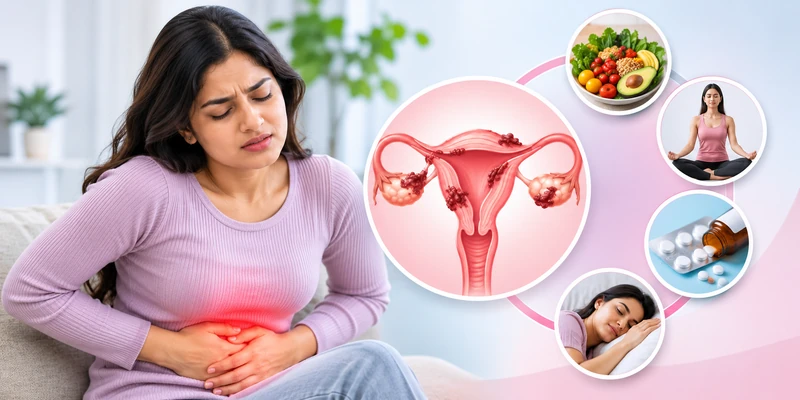
Endometriosis is driven by hormones, so the most effective non-surgical treatments work by calming down the hormonal cycle that feeds it. These count as first-line medical therapy:
-
Combined hormonal contraceptives (the pill, patch or ring), which quieten the monthly cycle
-
Progestin-only options, including the progestin-releasing IUD, which a lot of women get on with well
-
GnRH agonists and antagonists, which bring oestrogen down much further, for severe cases
Evidence reviews confirm that hormonal therapy is a cornerstone of endometriosis pain management, easing pain for a large share of women. Your doctor will help you pick the one that fits your symptoms, how well you cope with side effects, and whether you're hoping to get pregnant.
Pain Relief Medications
Alongside hormones, targeted pain relief matters. Anti-inflammatories (NSAIDs) like ibuprofen are commonly used for period pain and inflammation, and they work best taken early, before the pain peaks. For some women, a specialist may look at other ways of handling chronic pain, especially where the nervous system has become oversensitive after years of untreated discomfort.
Pelvic Floor Physiotherapy
This is one of the most overlooked tools. Long-term endometriosis pain often leaves the pelvic muscles tight and overactive, which adds a second layer of pain on top of the disease. A trained physiotherapist can help release that tension and ease the discomfort. Early research into holistic approaches combining pelvic floor physiotherapy with movement looks promising, and plenty of women find it a really useful part of their plan.
Diet and Lifestyle Measures
No diet cures endometriosis. Still, many women find certain changes genuinely ease their symptoms:
|
Approach |
How it may help |
|
Anti-inflammatory diet |
May reduce inflammation-driven pain |
|
Regular gentle exercise |
Improves circulation, mood, and pain tolerance |
|
Heat therapy |
Relaxes cramping muscles |
|
Stress management |
Lowers pain sensitivity |
|
Adequate sleep |
Supports the body's pain regulation |
They work best as part of a bigger plan, not on their own, and they give you back a bit of control.
Complementary Therapies
Some women get extra relief from things like acupuncture, yoga and mindfulness-based pain management. The evidence is still building, but these are generally safe and can help, especially with the stress and tiredness that so often come with chronic pain. Use them alongside proven medical treatment, not in place of it.
When Might Surgery Still Be Needed?
Being realistic matters. Non-surgical treatment doesn't work for everyone. Surgery is still an important option when pain is severe and isn't responding, when there's a large endometrioma (cyst), or when fertility is affected and other treatments haven't helped. The point isn't to avoid surgery at any cost. It's to try effective, less invasive options first, which is exactly what guidelines advise.
Building Your Personal Plan
What works best is almost always a mix: hormonal treatment, pain relief, physiotherapy and lifestyle changes working together, shaped around you. What works brilliantly for one woman may not suit another, so a bit of patience and a willingness to adjust the plan go a long way.
If you're tired of being told to just "put up with" endometriosis pain, there are real, evidence-based options. Managing endometriosis pain without surgery starts with a doctor who takes your pain seriously and builds a plan around your life and goals. You can read more about our endometriosis care, or book an appointment and we'll help you find relief and feel like yourself again.
This article is for general educational purposes and is not a substitute for personalised medical advice from your gynecologist or specialist.

Dr. Archana Agarwal
Gynaecologist, obstetrician and fertility specialist in Marathahalli and Whitefield, Bangalore, with over 20 years of experience in IVF, IUI, ICSI, laparoscopic surgery and high-risk pregnancy.
This article is for general information only and is not a substitute for professional medical advice. Please consult a doctor about your specific situation.